
Operations & Choosing Your 3PL
When starting a brand—or considering taking it to the next level—strategically selecting a 3PL is paramount. There are many factors to consider.
Are you a food-and-beverage brand that requires refrigeration? Does your 3PL handle compliance, certifications, or regulations? Now factor in sales channels and lead times based on geographic location. What about your tech stack? Do you ever choose a 3PL knowing it may not interface with your technology goals? And last but not least is cost. Can fulfillment charges and freight fit within your margins and still make sense?
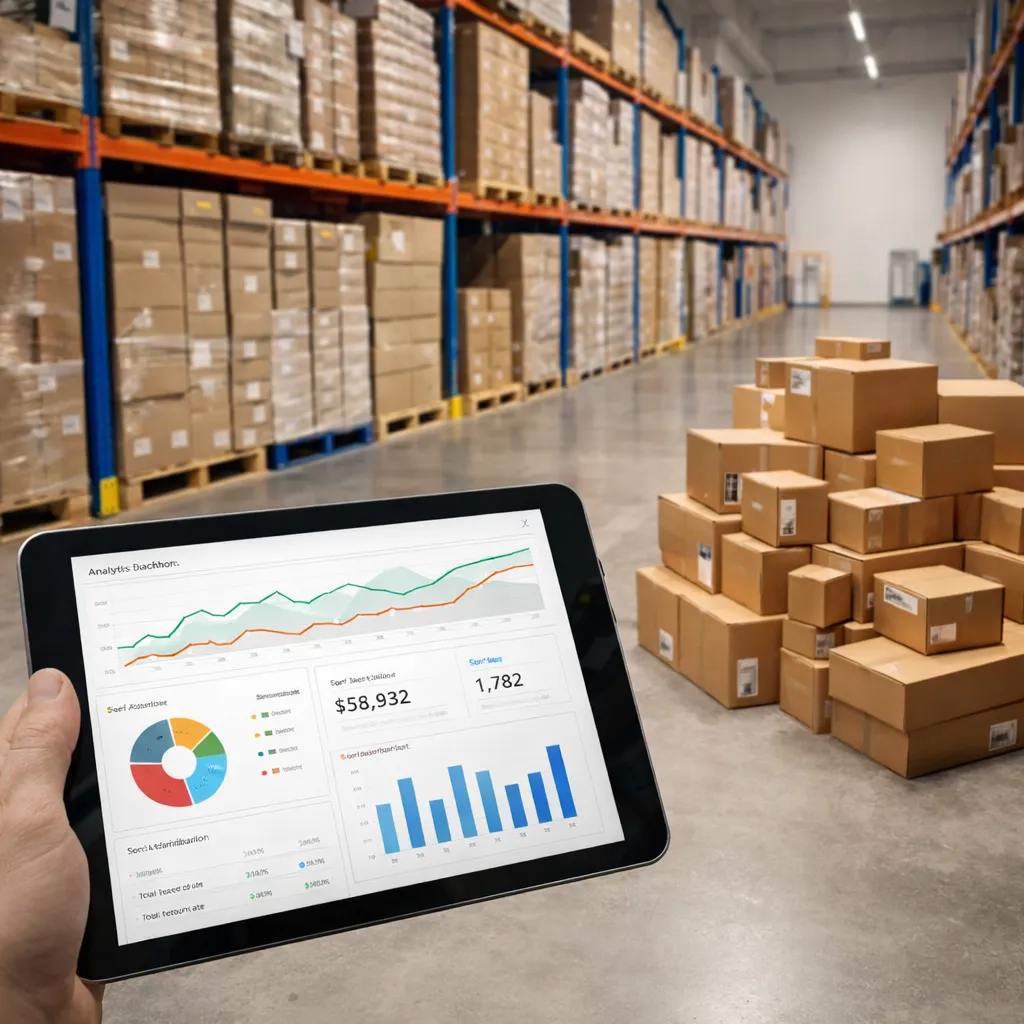
A useful example: if you’re primarily a DTC company, does it make sense to rely on a 3PL on the East Coast near a supplier? Perhaps, but this could increase lead times and costs to reach the West Coast. Do you have the data to understand West Coast sales volume and other influencing factors? Analytics are essential for making a well-informed decision. Many 3PLs offer analytics, and some will create Center of Gravity reports.
Center of Gravity reports use customer locations (coordinates) and their demand (volume/weight) to identify a central point, suggesting where a warehouse should be located to minimize total travel distance. An initial network design provides a quick, understandable baseline for facility placement to serve a customer base. The report helps determine where to stock different SKUs for faster delivery to key markets.
We’ve worked with many 3PLs over the years. Notable ones include Stord, Capacity, RJW, RMS, and others. Some 3PLs may be better suited for a DTC-focused brand or a wholesale-focused brand. Do you need variations of picking and packing? Are you shipping large pallets or individual boxes to consumers? All of these considerations help determine which 3PL is best for you—beyond optimizing geographic location.
Optional quick-start checklist
Define product requirements (refrigeration, temperature control, hazardous materials, etc.)
List required compliance, certifications, and regulatory needs
Map sales channels and targeted geographies
Align with your tech stack and data integrations
Estimate total landed costs (fulfillment + freight) against margins
Assess picking/packing requirements (single items vs. pallets)
Evaluate analytics needs (Center of Gravity, network design, SKU stocking)