HEAR IN TEXAS
Cochlear Implants

Your Cochlear Implant Doctors in New Braunfels, TX
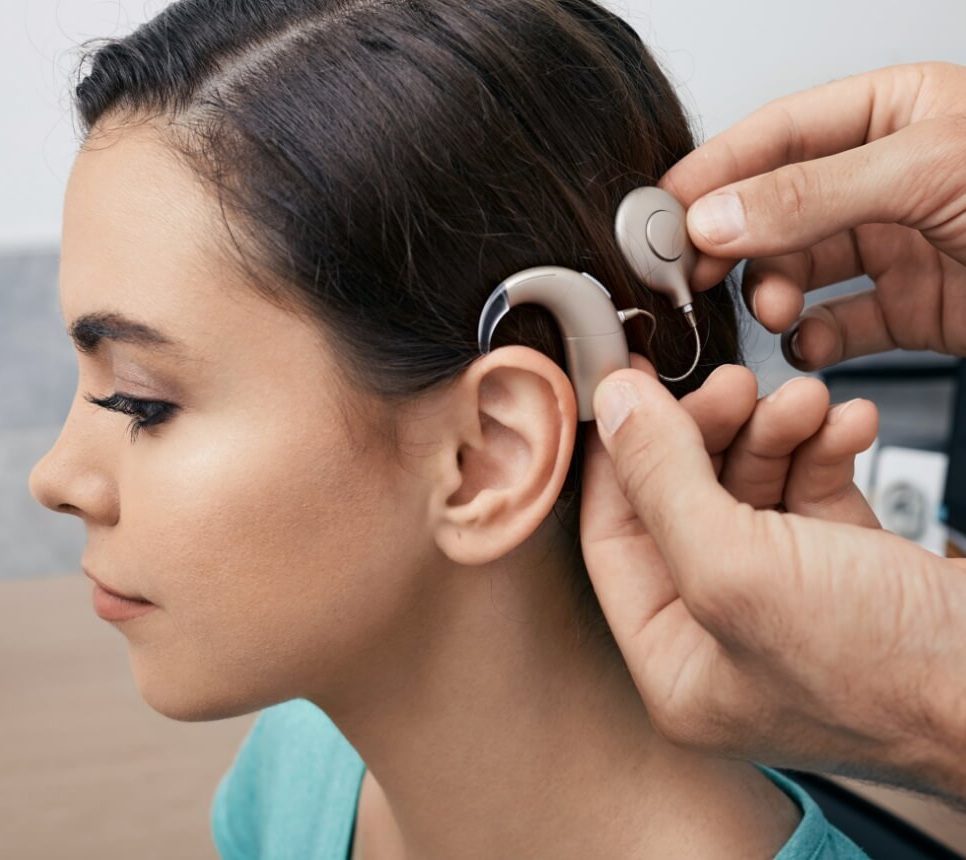
Millions of people of every age and all around the world are affected by hearing loss. Hearing aids provide the most common solution to help restore hearing loss and enrich the quality of life of those who wear them.
There are cases when hearing aids just aren’t able to adequately address hearing loss, which is when implants provide an alternate solution to difficult hearing challenges. Both children and adults hoping to improve hearing clarity with a more natural sound turn to Dr. Sally to facilitate better communication and better hearing through the use of cochlear implants.
The main benefit provided by cochlear implants involves helping to elevate speech and language processing for children from six to twelve years old on up to adolescents and adults. Whether used only in one ear for single-sided deafness (unilateral) or in both ears (bilateral), cochlear implant technology has been around for about 50 years.
Though most people have heard about cochlear implants, few understand what cochlear implants are and how they are used. Hear in Texas is here to help answer questions and provide some guidance to those interested in learning more.
How Do Cochlear Implants Work?
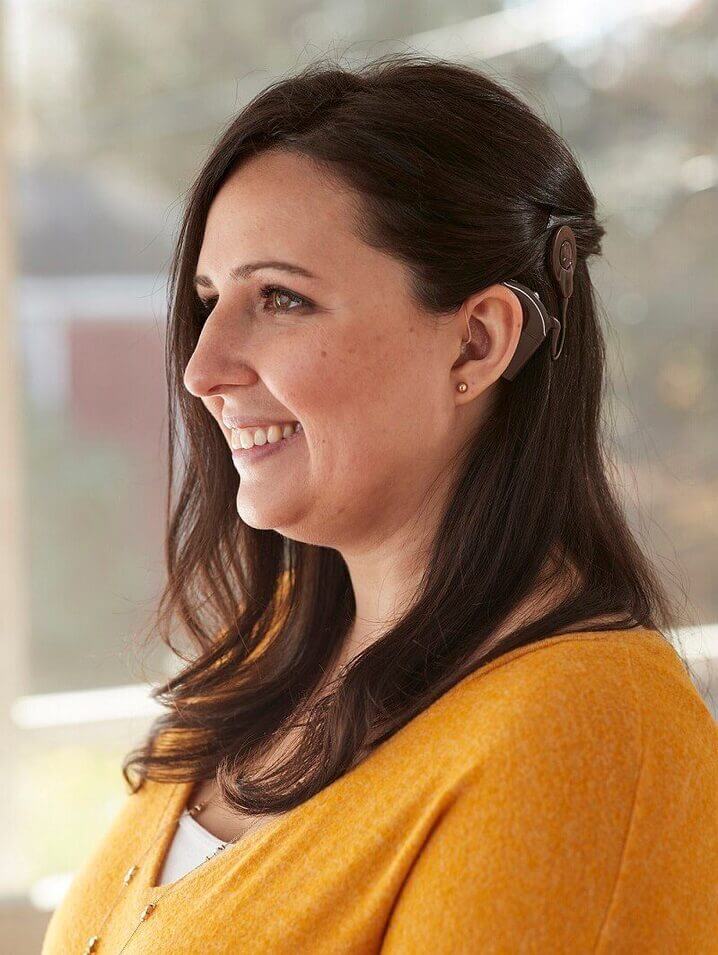
A cochlear implant is an electronic device designed to compensate for the damage done to your inner ear due to age deterioration, a birth defect, or some other cause. Made of two components, a cochlear implant includes an external processor and an internal electrode, which work together to transmit sound directly to the auditory nerve.
Cochlear implant surgery involves threading the internal electrode directly into the cochlea, which is then able to receive sound signals transmitted from the external processor, bypassing your damaged auditory system. This is different from hearing aids, which send amplified or processed sounds through the auditory system.
Cochlear implants gained FDA approval in the 1970s as a means of facilitating a higher level of hearing clarity for individuals with severe to profound hearing loss. Similar to other electronic devices, like smartphones and televisions, digital technology has had a significant impact on the processing and performance capacities of hearing implants, which far exceeds the capabilities of first-generation instruments.
Cochlear implants do not cure hearing impairments. Used alongside hearing aids or to replace them, implants often provide the solution to overcome severe hearing loss challenges.
Answers To Your Cochlear Implant Questions
Q: What Is A Bi-modal Fitting?
A bi-modal fitting is when a patient wears a traditional hearing aid in one ear and a cochlear implant in the other. Advancements in digital technology and connectivity enable the two devices to communicate with each other in order to maximize hearing potential.
Q: Am I A Good Candidate For A Cochlear Implant?
Your audiologist and a surgeon will collaborate in order to determine whether or not you’re a good candidate for a cochlear implant. They will consider criteria like your level of hearing loss, your capacity to understand speech, the effectiveness of hearing aid use and your medical history.
Q: How Is Cochlear Implant Surgery Done?
The surgeon will make a small incision behind the ear in order to place the implant under the skin and insert the electrode into the inner ear. The surgical team will then run tests to measure your response to the implant before closing the incision, typically with dissolvable stitches to avoid the need for removal later.
Q: What Risks Are Involved With Cochlear Implant Surgery?
All surgical procedures that include the use of general anesthesia involve risks. For this reason, your audiologist will consult with the surgeon to determine whether there are any predictable complications to be considered before cochlear implant surgery, but most procedures include few, if any, complications, requiring only a one-day hospital stay.
Q: Will I Need Additional Surgeries To Accommodate New Technology?
The internal electrode is the only part of a cochlear implant that involves a surgical procedure.
Upgrades usually involve technological advancements that are found in the exterior processing unit, so additional surgeries are not necessary in order to upgrade your device.
Q: Can I Swim, Shower, And Remain Active With A Cochlear Implant?
One of the great benefits of cochlear implants is the fact that you can enjoy an active lifestyle with few limitations, except scuba diving and skydiving, which involve intense pressure changes. To shower or swim, most users simply remove the external processor. Likewise, they use protective headgear when engaged in aggressive physical activities.
Q: How Long After Being Implanted Are Cochlear Implants Activated?
Your audiologist will activate your cochlear implant between 2-4 weeks after surgery. Activation is a process that begins with basic soft sounds then gradually builds on your progress in order to introduce more sounds in the successive weeks and months.
Q: Are Cochlear Implants Covered By Medicare And Private Insurance?
Yes. Most private insurance companies and Medicare cover FDA-approved cochlear implants.
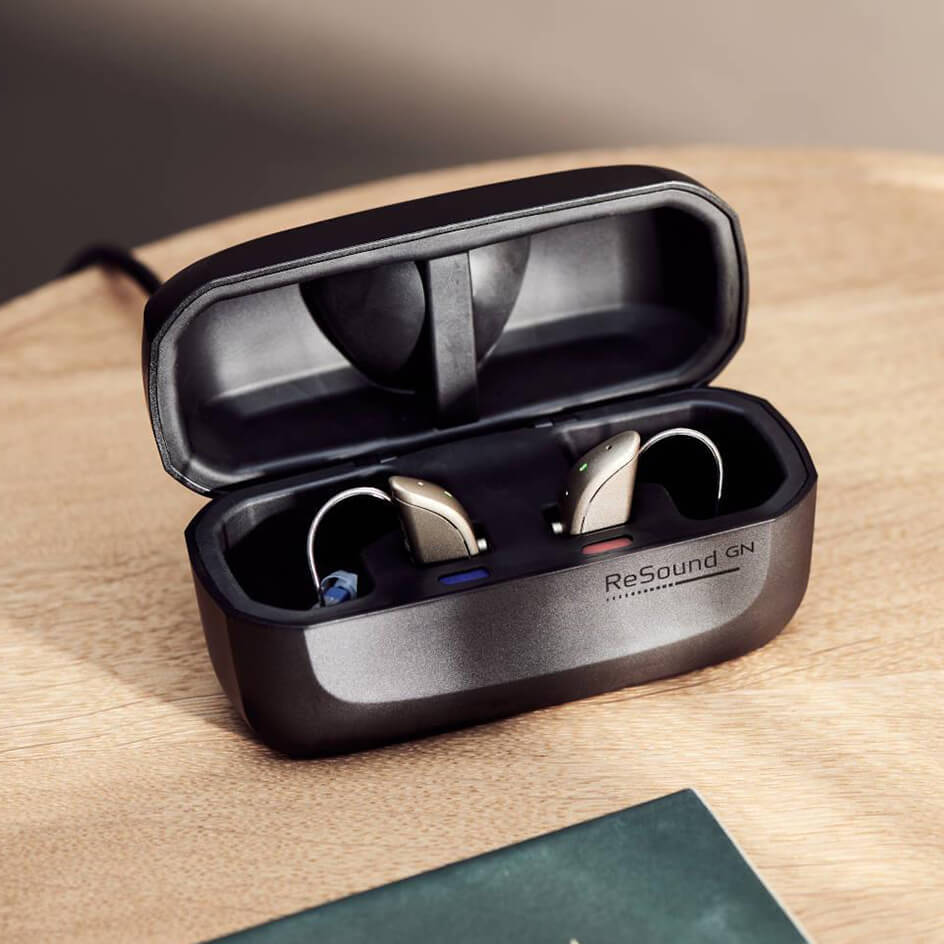
Helping You to Choose the Right Hearing Technology through our Partnerships with all Manufacturers
With each level of hearing loss and person that we help having their own unique set of circumstances, there is never a “one size fits all” approach.
That’s why we partner with every hearing aid manufacturer to ensure that we can always find the right solution for your unique needs.
This also means that we’re often front of the queue to get our hands on the latest hearing technology to ensure that you always have access to the latest developments.
Hearing Health Resources
Blog Posts
Melissa Wilson

As the New Year rolled in, I pledged to ignite inspiration by engaging in weekly pow-wows with the trailblazing women who shape our vibrant New Braunfels community. Each serendipitous encounter at networking events or casual run-ins town-wide leaves me marveling at the intellectual treasure trove at our doorstep. At Hear In Texas, pioneering spirit is our mantra, but I confess, my lens can sometimes narrow, entrenched in the audiology sphere's rich tapestry. These luncheons? My golden ticket to harvest wisdom from women across diverse domains and weave their insights into our narrative.
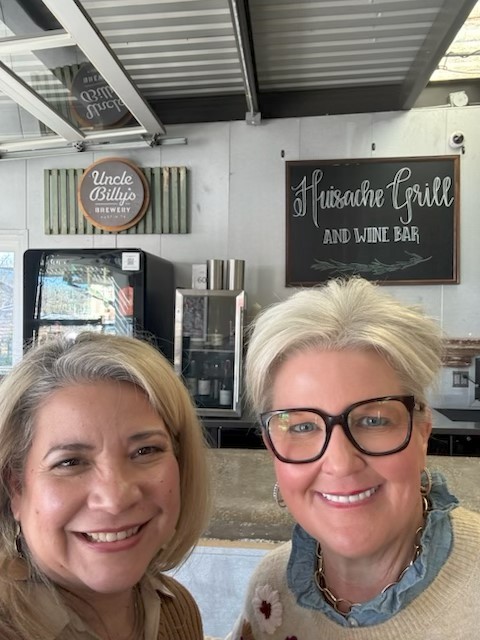
Meet Melissa Wilson, Development Director at the Sophienburg Museum. We had a lovely lunch at Huisache Grill where we spoke heart-to-heart about women in leadership roles. The lunch was delicious and Huisache Grill never disappoints.
Melissa is a New Braunfels native and embraces the growth and changes happening in New Braunfels. Growth can’t be stopped and it is important for the future as long as it happens responsibly. She has been in a leadership role for most of her working years. She has a varied background with experience in fashion and merchandising, retail, marketing, hospice, and now museum development. She is also an avid tennis player and has volunteered her time and talent to many non-profit organizations. She is the embodiment of a woman of influence.
I asked for her best advice for women in leadership positions. Without hesitance she noted that women should be honest and direct and they should not be too emotional. We discussed how emotions can get in the way of getting tasks accomplished.
Her vision is to diversify the offerings of the museum. When I asked her about how she came to work for the museum, she told me about how her passion for the museum was sparked. She spent many summers there with her grandfather who worked as a docent (trained volunteer or staff member who educates and engages visitors by leading tours, sharing stories, and interpreting exhibits, acting as a storyteller and educator for cultural or historical institutions like museums). She values the importance of archiving the history of this vibrant New Braunfels community. The Sophienburg has been around for 93 years and is outgrowing its current space; expansion is a necessity. Melissa is leading the way to shape what the future looks like.
I was surprised to learn about all the programs the museum offers. I was most interested in “A Night at the Museum” which is a private event for a small group. The plan for a “lost arts” program which will include tamale making, needlework, etc. is underway.
Running a museum takes a village and that includes the museum volunteers. There are multiple opportunities to support the Sophienburg whether through volunteer hours, donations, and/or spreading the word about this community gem. They also have some opportunities for paid positions. Though the museum gains most of its operating budget from Sophie’s Shop at Wurstfest and Weihnachtsmarkt, there are numerous programs that help generate income. One of the best kept secrets is Sophie's Shop located inside the Sophienburg Museum where they have so many amazing and unique local gifts and keepsakes.
If you have not been to the Sophienburg Museum in some time, you should check it out. AND, if you are interested in supporting the next phase of this important part of our community, you can donate at https://sophienburg.com/donate/

Learn More About Cochlear Implants From Our Specialist
When hearing aids do not provide an adequate solution, individuals with severe to profound hearing loss often require cochlear implants to improve hearing or facilitate speech and language development.
Hearing implants are an important tool utilized by Hear in Texas to help improve the quality of life for those in and around New Braunfels who qualify for them.
If you, or a loved one, wants to learn more or find out whether you qualify for cochlear implants, complete and submit the adjacent form, and our specialist will contact you.