
HEAR IN TEXAS
Positional Vertigo
Hear In Texas Treats Positional Vertigo

Dizziness, vertigo, and balance disorders are common conditions affecting about 90 million Americans during their lifetime. For most, vertigo is an inconvenience, but more than one-half of the accidental deaths in the elderly and over 300,000 hip fractures in individuals over age 65 are from balance-related falls associated with positional vertigo.
Vertigo and unsteadiness on your feet are toward the top of the list of complaints by patients over 70 years of age. Keeping your balance requires multi-sensory coordination of your vision, your vestibular system, and your proprioceptive system (sensory input from our muscles and joints).
Vertigo and balance disorders come from any disturbance or malfunction in one or a combination of these systems that depend on your ears in order to function correctly. Hear in Texas helps thousands of people deal with positional vertigo as a part of our commitment to the overall health and hearing health of the New Braunfels community.
What Do Your Ears Have To Do With Vertigo And Balance?

Your ears play a critical role in helping you stay steady on your feet or stay balanced as you change positions. The vestibular system, responsible for helping with balance, is located in the semicircular canals of your inner ear, functioning like the bubble in a carpenter’s level in order to help you maintain your balance.
As the fluid inside the semicircular canals interacts with hairlike cells along the walls of the canals, detecting up, down, and side-to-side movements, signals related to your position are transmitted to your brain. When your brain receives these signals, it directs other parts of the body to react in order to keep you upright.
Disorders of the vestibular system cause the fluid or hair cells to overreact to minor movements or even when you are completely still, causing serious problems like vertigo, imbalance, nausea, and vomiting. Vestibular system damage can affect people of any age due to disease, syndromes, toxins, or trauma.
The Symptoms Of Positional Vertigo

A sense of dizziness, vertigo, or motion intolerance, which can follow rapid head movements or turning too quickly, may occur briefly or for several hours at a time. Sensations of vertigo include a persistent feeling of unsteadiness or imbalance that makes it difficult to sit up in bed, get up from a chair or walk.
Vestibular migraines, classified as a strongly hereditary neurological disorder, are also related to vestibular system damage, affecting one in every four females and one in every six males. These migraines tend to cause dizziness, vertigo, nausea, eye pain, and changes in vision rather than the splitting headaches usually associated with migraines.
The Symptoms Of Positional Vertigo
Types Of Vertigo And Balance Disorders
Deterioration of the inner ear structures, either as you age or due to some other cause, produce hearing loss but might also produce vertigo or a balance disorder. Damage to your inner ear structures can also derive from various illnesses or injuries, such as:
01
Labyrinthitis or Vestibular Neuronitis
Deterioration of the inner ear structures, either as you age or due to some other cause, produce hearing loss but might also produce vertigo or a balance disorder. Damage to your inner ear structures can also derive from various illnesses or injuries, such as:
02
Meniere’s Disease
Involves an increased pressure within the labyrinth structure, which typically affects only one ear (though it can affect both). The predictable buildup of pressure before an episode makes it possible to prescribe medications to help manage the condition. Meniere’s disease is usually temporary and goes away naturally after a few years.
03
Perilymph Fistula
Occurs when fluid from the inner ear leaks into the middle ear. It is most common in birth defects, associated with head injuries or surgeries, after a severe ear infection, or as an after-effect of scuba diving.
04
Benign Paroxysmal Positional Vertigo (BPPV)
Involves the migration of calcium carbonate, otoconia from the utricle into one of the semicircular canals, interrupting the normal movement of fluid inside the semicircular canal. This interruption of the natural movement of fluid produces false signals to the brain regarding balance. It is among the most common causes of vertigo.
05
Mal de Debarquement Syndrome (MdDS)
Or Disembarkment Syndrome includes a sensation of prolonged movement like the rocking of a boat or motion of a treadmill even after you have gotten off of them.
How Does Hear In Texas Treat Positional Vertigo And Balance Disorders?
The cause and severity of each condition after diagnosis determines the treatment options applied to correcting, rehabilitating, or managing symptoms.
Medication can treat inflammation-causing infections like labyrinthitis and vestibular neuronitis or help manage the pressure related to Meniere’s disease. Vestibular Rehabilitation Therapy (VRT) is among our most common treatment options for positional vertigo and balance challenges.
VRT involves the use of a series of exercises designed to help desensitize the balance system, especially as it adjusts to certain movements. Its purpose is to allow patients to move around freely without triggering dizziness or vertigo, protecting them from becoming unsteady on their feet and preventing falls.
Among the therapeutic approaches to treat BPPV is Canalith Repositioning, which has produced measurable results for more than 25 years. Success rates for treatment are around 95%, take only minutes to perform, and usually somewhere between 3 and 4 treatments. These maneuvers help move otoconia from the semicircular canal and put them back to the utricle where they belong.
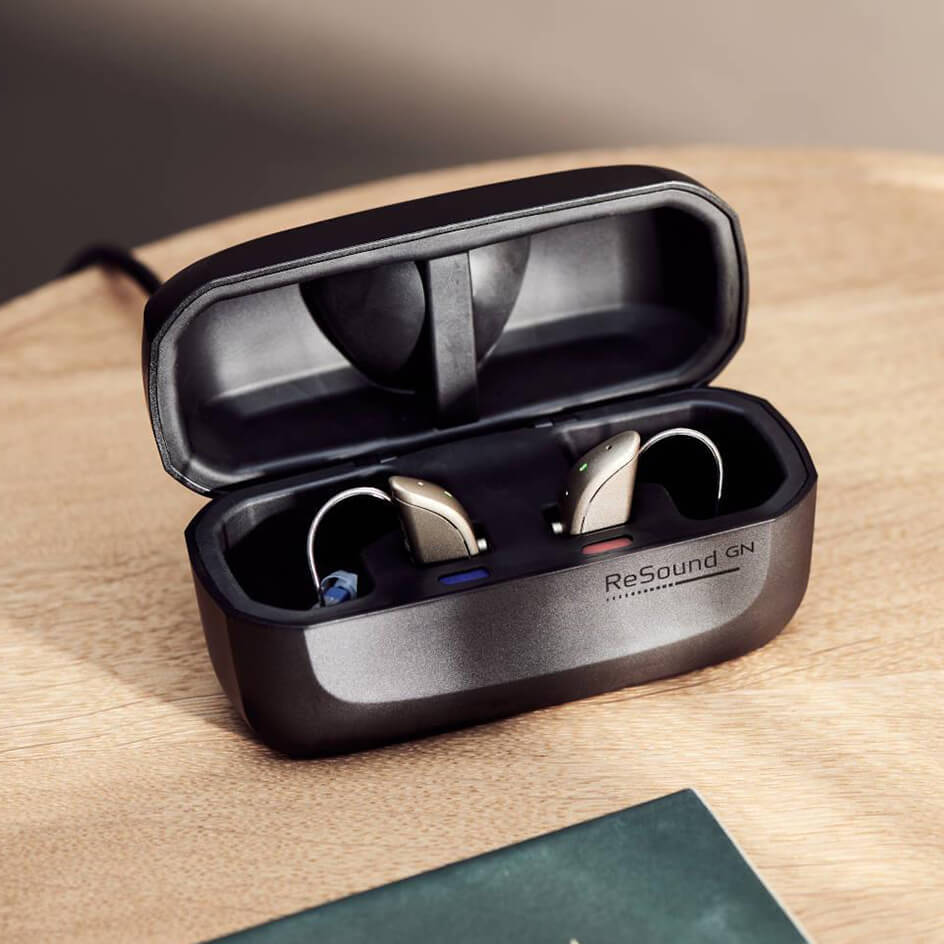
Helping You to Choose the Right Hearing Technology through our Partnerships with all Manufacturers
With each level of hearing loss and person that we help having their own unique set of circumstances, there is never a “one size fits all” approach.
That’s why we partner with every hearing aid manufacturer to ensure that we can always find the right solution for your unique needs.
This also means that we’re often front of the queue to get our hands on the latest hearing technology to ensure that you always have access to the latest developments.
Hearing Health Resources
Blog Posts
Melissa Wilson

As the New Year rolled in, I pledged to ignite inspiration by engaging in weekly pow-wows with the trailblazing women who shape our vibrant New Braunfels community. Each serendipitous encounter at networking events or casual run-ins town-wide leaves me marveling at the intellectual treasure trove at our doorstep. At Hear In Texas, pioneering spirit is our mantra, but I confess, my lens can sometimes narrow, entrenched in the audiology sphere's rich tapestry. These luncheons? My golden ticket to harvest wisdom from women across diverse domains and weave their insights into our narrative.
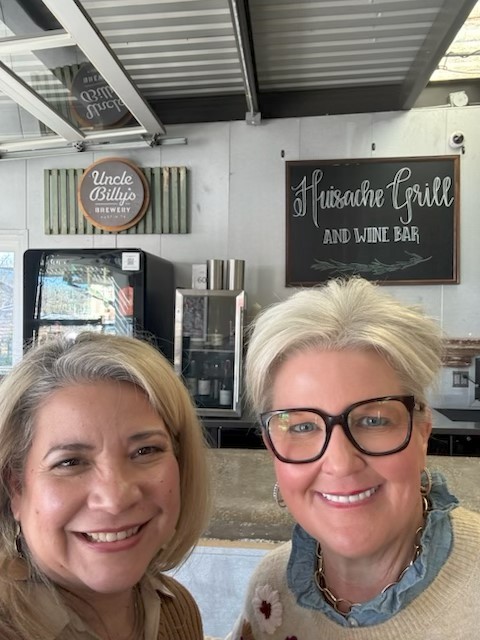
Meet Melissa Wilson, Development Director at the Sophienburg Museum. We had a lovely lunch at Huisache Grill where we spoke heart-to-heart about women in leadership roles. The lunch was delicious and Huisache Grill never disappoints.
Melissa is a New Braunfels native and embraces the growth and changes happening in New Braunfels. Growth can’t be stopped and it is important for the future as long as it happens responsibly. She has been in a leadership role for most of her working years. She has a varied background with experience in fashion and merchandising, retail, marketing, hospice, and now museum development. She is also an avid tennis player and has volunteered her time and talent to many non-profit organizations. She is the embodiment of a woman of influence.
I asked for her best advice for women in leadership positions. Without hesitance she noted that women should be honest and direct and they should not be too emotional. We discussed how emotions can get in the way of getting tasks accomplished.
Her vision is to diversify the offerings of the museum. When I asked her about how she came to work for the museum, she told me about how her passion for the museum was sparked. She spent many summers there with her grandfather who worked as a docent (trained volunteer or staff member who educates and engages visitors by leading tours, sharing stories, and interpreting exhibits, acting as a storyteller and educator for cultural or historical institutions like museums). She values the importance of archiving the history of this vibrant New Braunfels community. The Sophienburg has been around for 93 years and is outgrowing its current space; expansion is a necessity. Melissa is leading the way to shape what the future looks like.
I was surprised to learn about all the programs the museum offers. I was most interested in “A Night at the Museum” which is a private event for a small group. The plan for a “lost arts” program which will include tamale making, needlework, etc. is underway.
Running a museum takes a village and that includes the museum volunteers. There are multiple opportunities to support the Sophienburg whether through volunteer hours, donations, and/or spreading the word about this community gem. They also have some opportunities for paid positions. Though the museum gains most of its operating budget from Sophie’s Shop at Wurstfest and Weihnachtsmarkt, there are numerous programs that help generate income. One of the best kept secrets is Sophie's Shop located inside the Sophienburg Museum where they have so many amazing and unique local gifts and keepsakes.
If you have not been to the Sophienburg Museum in some time, you should check it out. AND, if you are interested in supporting the next phase of this important part of our community, you can donate at https://sophienburg.com/donate/

Schedule a Vestibular Testing
Balance issues can severely affect someone’s quality of life and lead to serious injuries from falls if left untreated. Your audiologist at Hear in Texas has the knowledge, expertise, and experience to help prevent all issues associated with positional vertigo.
If you, or someone you love, are experiencing frequent vertigo or dizziness that is making them feel unsteady on their feet, contact us by submitting the adjacent form so our specialist can help you schedule an appointment.