HEAR IN TEXAS
Advanced Hearing Aid Technology
Enormous Benefits Delivered By Advanced Prescription Hearing Aid Technology
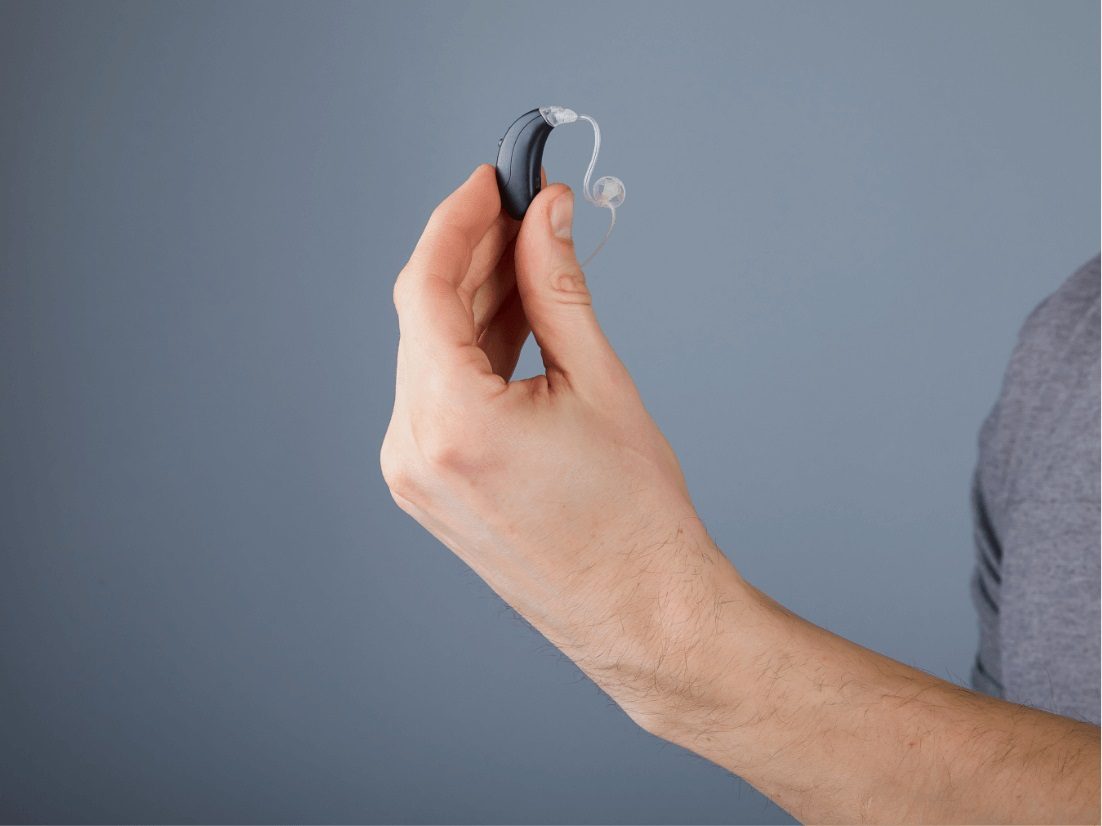
Are you like most people who cling to an outdated stigma of prescription hearing aids that is based on the ugly, bulky, and frustrating devices your parents or grandparents used to wear? You can ditch that idea because today’s hearing aid technology is worlds away from what it was.
Similar to the innovations included in your smartphone, hearing technology has rapidly progressed over the past decade, allowing manufacturers to produce devices that are smaller, lighter, more stylish, and discreet, even invisible, without sacrificing processing power. Other features of modern hearing aids include natural sound clarity, the capacity to control background noise, include advanced features like long-lasting rechargeable batteries, and the capacity to link other digital devices, like your cellphone, television, and computer, to your hearing device.
Hear In Texas Partners With Major Hearing Aid Manufacturers
The choices we offer our patients include a broad range of technologies from brand-name manufacturers, like:
• Resound (distribution and repair)
• Starkey (distribution and repair)
• Widex (distribution and repair)
• Phonak (distribution and repair)
• Signia (distribution and repair)
• Oticon (distribution and repair)
• Jabra (distribution and repair)
With so many available options, you’ll appreciate the help our hearing aid specialist can provide when it comes time to choose the device that best fits your needs and lifestyle.


Is Your Loved One Living With Hearing Loss?
“At our halloween party, the family is outside and we’re interacting, and mom is just sitting there”
“If you’re out there waiting to get your hearing checked, I would say you’ve waited how many months or years, you’ve waited too long! You need to get your hearing checked, not only because it’s very good to hear again, but the testing will show you that it’s great for your mind!”
Our Hearing Aid Specialist Can Help You Choose
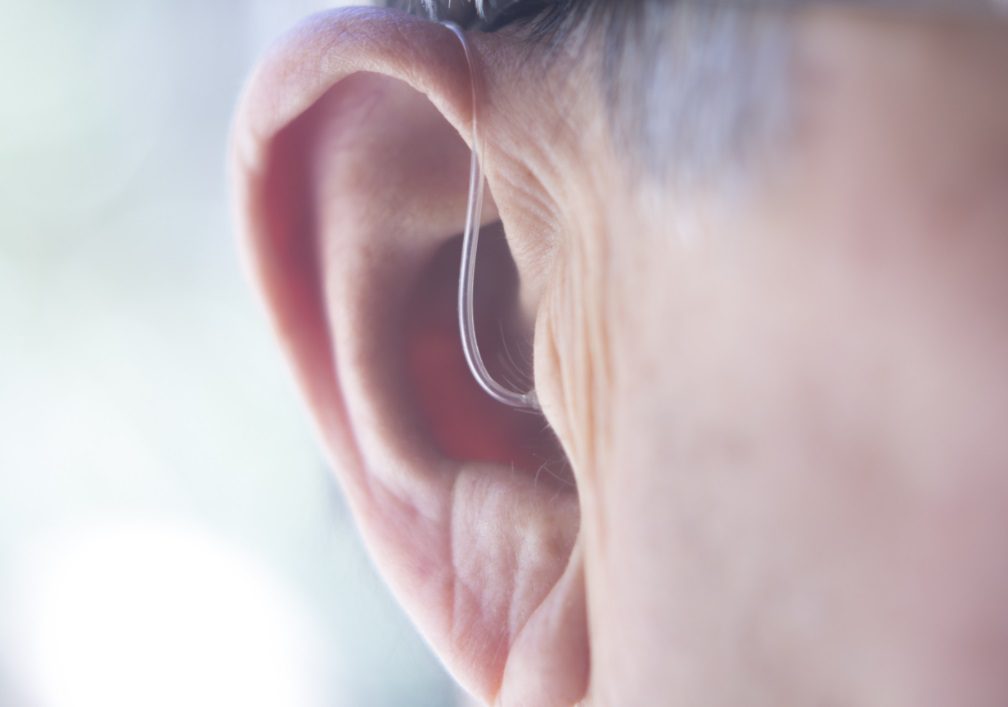
Because today’s technology also makes it possible for hearing aids to come in a variety of different sizes and colors, costs, designs, levels of technology, and features, you might be overwhelmed by all the available choices. To help put your mind at ease, our hearing aid specialist is eager to guide you through the selection process by helping you consider your needs and preferences, such as:
• Power requirements necessary to address your specific level of hearing loss
• Your manual dexterity and visual capabilities
• The budget you have to work with
• Wearing discretion and cosmetic concerns
• Skin sensitivities
• Anatomical/medical considerations
FAQs About Hearing Aids
Q. How Will I Know If I Need A Hearing Aid?
Your family may have noticed you are struggling with your hearing and are advising you to have your hearing checked. Struggling to communicate well with others, keeping up with your typical lifestyle, and frustration when it comes to enjoying conversations in a noisy restaurant or at a social event are other indicators, but the only way to know the truth is to consult an audiologist for a professional, comprehensive hearing assessment.
Q. Will A Hearing Aid Cure My Hearing Loss?
No. Hearing aids are “aids,” which means they help make it easier to hear through sound processing and amplification, but they cannot restore the natural functioning of your ear. Hearing aids do slow down the progression of deterioration as well as prevent cognitive decline and help correct issues with balance and vertigo.
Q. How Long Will My Hearing Aid Last?
The typical hearing aid lasts between five to six years. With plenty of TLC, regularly scheduled maintenance, tune-ups, and repair, you can extend their life, but most audiologists recommend upgrading every five years in order to take advantage of the newest available technologies in a rapidly changing industry.
Q. Do Hearing Aids Use Special Batteries?
Yes. Most modern hearing aids use zinc-air batteries made specifically for hearing aids. They come in a variety of sizes to fit different devices, but most are easy to find in pharmacies and grocery stores.
Q. How Long Do Hearing Aid Batteries Last?
There are a lot of variables involved in determining the service life of a hearing aid battery, such as the type of battery, how many hours per day you wear your hearing aid, the presence of moisture, and battery quality. Weekly change is common with smaller batteries, while larger batteries can last two to three weeks.
Q. How Long Does It Take To Get Used To A Hearing Aid?
Accurately predicting how you are going to adapt to your hearing aids is difficult because each person’s experience is unique. New sounds and amplification shock the central auditory system of your brain, requiring time to acclimate and relearn how to process information it has never heard before or has not heard for a long time.
As a rule of thumb, most manufacturers allow a 60-day trial period, which is ample time for most people to adjust to their hearing aids and evaluate their benefits. During this time, coping strategies, ongoing adjustments, and support all help speed up the process.
Q. Why Do Hearing Aids Cost So Much?
Several factors contribute to the cost of hearing aids. Hearing aids are sold in relatively low volume (about 1.7 million hearing aids for some 30 million people with hearing loss), which means that manufacturers must sell them at a higher cost to recuperate production costs. The amount of time and money spent by manufacturers on research and development, which is considerable, are among the costs of production, and the industry-standard one to two-year warranty for replacement and repairs also affects the purchase price.
Prescription Hearing Aid Styles
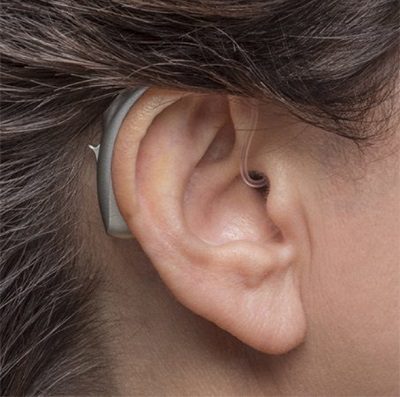
Behind-the-Ear (BTE)
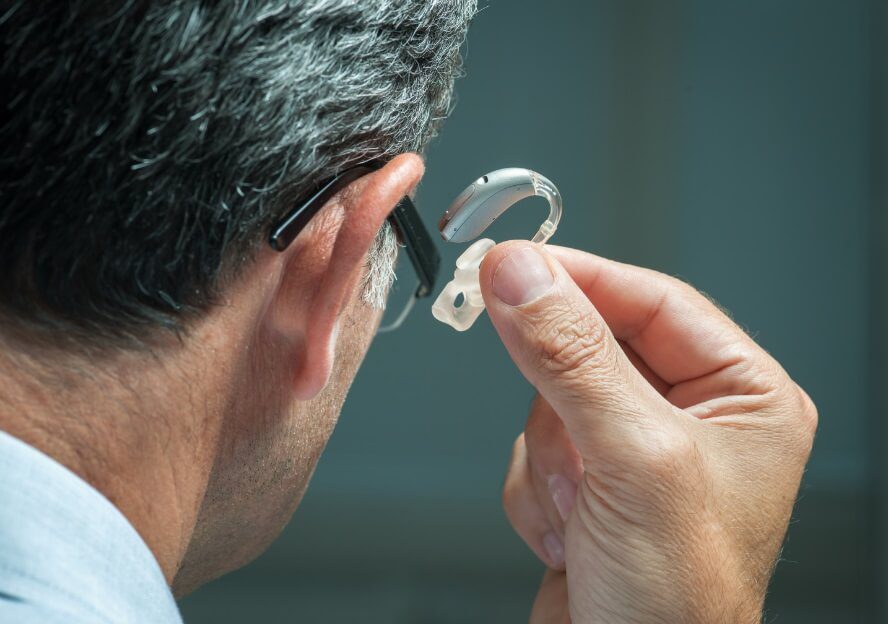
Though BTE hearing aids look like older analog hearing aids, don’t let that fool you. Besides being lighter and more streamlined, their digital processing power far exceeds that of their ancestors. Enhanced by custom-formed earmolds for a more comfortable fit and open-canal earpieces that eliminate the “plugged up” feeling some users experience, BTE hearing aids are the most flexible, adaptable, and powerful hearing instruments available for all levels of hearing loss.
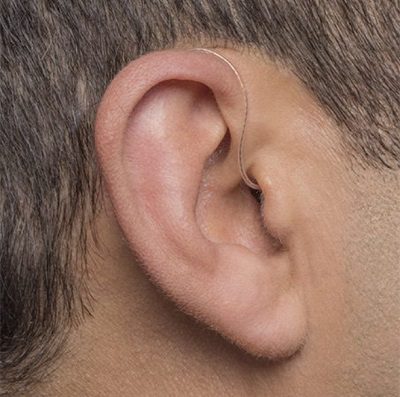
Mini BTE
Similar to their bigger brother, Mini BTEs come with a smaller case and use ultra-thin tubing to discreetly route sound into the ear. The soft tip at the end of the tubing sits in the ear canal but doesn’t occlude it, producing a more natural, open feeling as airflow and sound enter the ear naturally, while amplified sound enters through the tip. “Open fitting” works best for individuals with mild to moderate high-frequency losses.
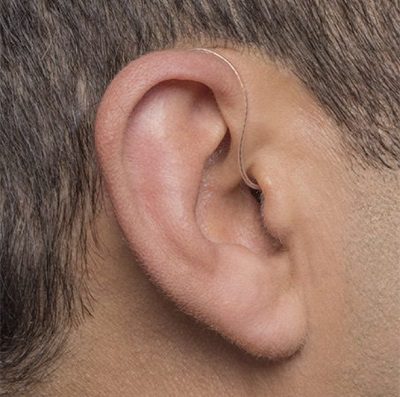
Receiver-in-the Ear (RITE)
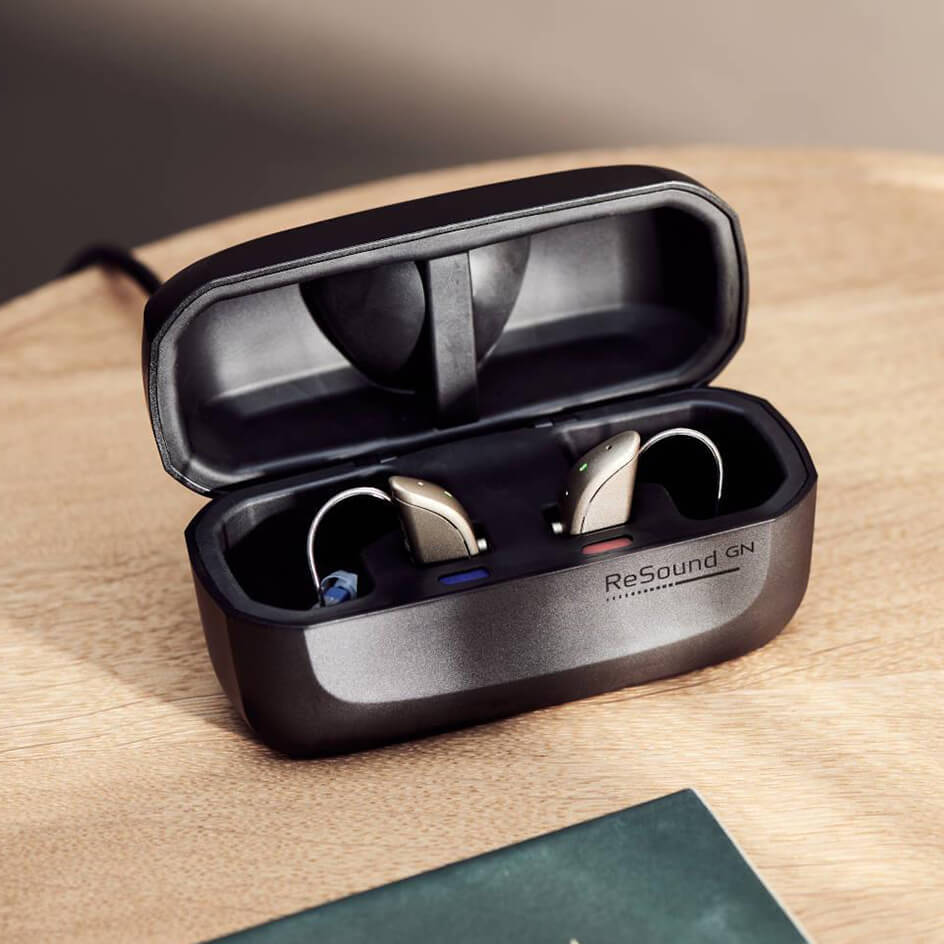
RITE hearing aids are modified BTE devices that feature a comfortable, open-fit design suited for nearly all types of hearing loss. The main difference involves locating the speaker of the instrument in the ear tip instead of in the main BTE body of the instrument. Similar to the Mini BTE, they are smaller and lighter weight but pack powerful technology to serve those with mild to severe hearing loss.
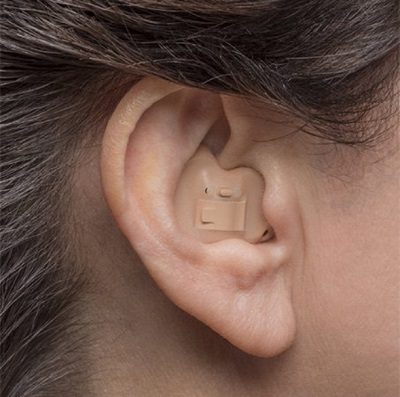
In-the-Ear (ITE)
ITE instruments combine technology and speaker inside a molded plastic shell that fits the contours of your outer ear canal. Full-shell in-the-ear technology produces powerful, clear sound for all degrees of treatable hearing loss and works well for those who wear glasses or use an oxygen cannula. The ease of adjustment, larger batteries with a longer life, rechargeability, and device connectivity are among the advantages of ITE ove
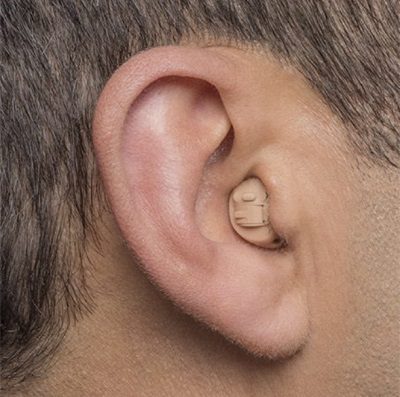
In-the-Canal (ITC)
Smaller versions of ITE devices, ITC hearing aids are custom-molded to fit further into the ear canal instead of the outer ear area. They provide the same benefits of ITE users who wear glasses, an oxygen cannula, or hats but allow you to be a bit more active and offer greater wearing discretion. Individuals with mild to moderate hearing loss can benefit from this style, which includes the capacity to customize external controls to fit your needs.
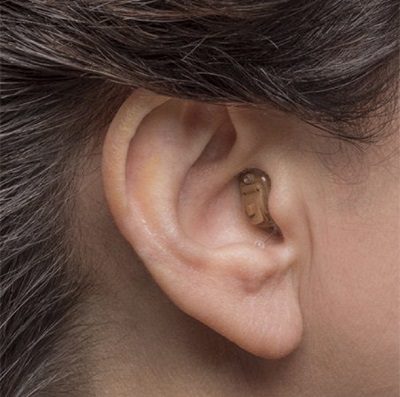
Completely-In-The-Canal (CIC)
Going deeper still, CIC devices fit deeper into the ear canal than ITC devices and require a tiny clear plastic post to insert and remove them. This can present a challenge to individuals who lack fine-dexterity. Comfortable and discreet, CIC devices provide a snug fit ideal for activity-filled days with friends and family, the reduction of wind interference for more natural hearing, and greater clarity without sacrificing too much when it comes to processing power.
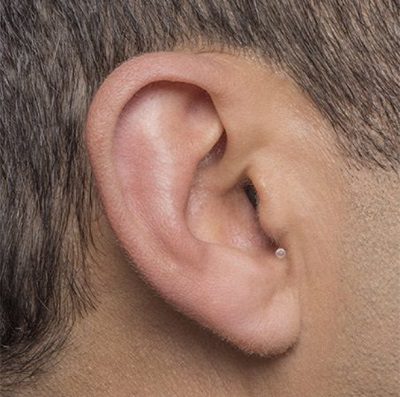
Invisible-In-the-Canal (IIC)
Custom molded to fit snugly near the second bend of the ear canal, IIC hearing aids are 100% invisible, digital, and fully programmable. They pack plenty of clarity and power into the tiniest of packages, providing the highest level of wearing discretion and serving those with a very active lifestyle. Individuals with all but the most severe degrees of hearing loss qualify for this style of device.
Helping You to Choose the Right Hearing Technology through our Partnerships with all Manufacturers
With each level of hearing loss and person that we help having their own unique set of circumstances, there is never a “one size fits all” approach.
That’s why we partner with every hearing aid manufacturer to ensure that we can always find the right solution for your unique needs.
This also means that we’re often front of the queue to get our hands on the latest hearing technology to ensure that you always have access to the latest developments.
Hearing Health Resources
Blog Posts
Melissa Wilson

As the New Year rolled in, I pledged to ignite inspiration by engaging in weekly pow-wows with the trailblazing women who shape our vibrant New Braunfels community. Each serendipitous encounter at networking events or casual run-ins town-wide leaves me marveling at the intellectual treasure trove at our doorstep. At Hear In Texas, pioneering spirit is our mantra, but I confess, my lens can sometimes narrow, entrenched in the audiology sphere's rich tapestry. These luncheons? My golden ticket to harvest wisdom from women across diverse domains and weave their insights into our narrative.
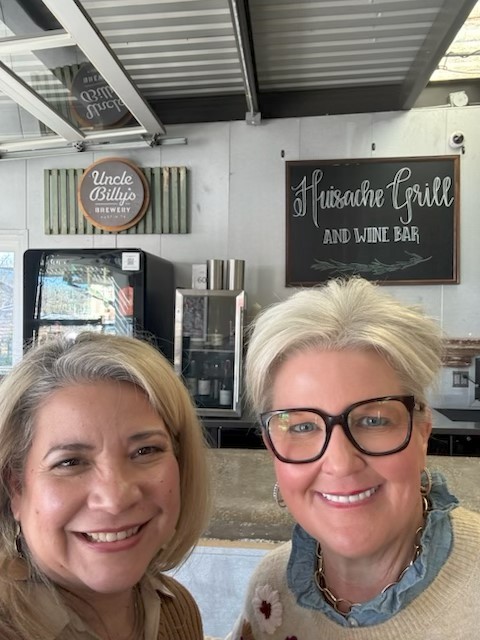
Meet Melissa Wilson, Development Director at the Sophienburg Museum. We had a lovely lunch at Huisache Grill where we spoke heart-to-heart about women in leadership roles. The lunch was delicious and Huisache Grill never disappoints.
Melissa is a New Braunfels native and embraces the growth and changes happening in New Braunfels. Growth can’t be stopped and it is important for the future as long as it happens responsibly. She has been in a leadership role for most of her working years. She has a varied background with experience in fashion and merchandising, retail, marketing, hospice, and now museum development. She is also an avid tennis player and has volunteered her time and talent to many non-profit organizations. She is the embodiment of a woman of influence.
I asked for her best advice for women in leadership positions. Without hesitance she noted that women should be honest and direct and they should not be too emotional. We discussed how emotions can get in the way of getting tasks accomplished.
Her vision is to diversify the offerings of the museum. When I asked her about how she came to work for the museum, she told me about how her passion for the museum was sparked. She spent many summers there with her grandfather who worked as a docent (trained volunteer or staff member who educates and engages visitors by leading tours, sharing stories, and interpreting exhibits, acting as a storyteller and educator for cultural or historical institutions like museums). She values the importance of archiving the history of this vibrant New Braunfels community. The Sophienburg has been around for 93 years and is outgrowing its current space; expansion is a necessity. Melissa is leading the way to shape what the future looks like.
I was surprised to learn about all the programs the museum offers. I was most interested in “A Night at the Museum” which is a private event for a small group. The plan for a “lost arts” program which will include tamale making, needlework, etc. is underway.
Running a museum takes a village and that includes the museum volunteers. There are multiple opportunities to support the Sophienburg whether through volunteer hours, donations, and/or spreading the word about this community gem. They also have some opportunities for paid positions. Though the museum gains most of its operating budget from Sophie’s Shop at Wurstfest and Weihnachtsmarkt, there are numerous programs that help generate income. One of the best kept secrets is Sophie's Shop located inside the Sophienburg Museum where they have so many amazing and unique local gifts and keepsakes.
If you have not been to the Sophienburg Museum in some time, you should check it out. AND, if you are interested in supporting the next phase of this important part of our community, you can donate at https://sophienburg.com/donate/

A Hearing Assessment Is Critical To Choosing The Right Hearing Aid
The prevalence of hearing aid dispensers, as well as the capacity for people to self-diagnose and self-treat by purchasing an OTC or online hearing device, has increased the potential to cause severe damage to your hearing with a poor-fitting, improperly programmed device. Your safer option is to consult a hearing care professional for a hearing assessment.
If you’d prefer a hearing instrument that will solve your hearing challenges rather than exacerbate them, submit the adjacent form in order to schedule a hearing assessment with our professional Hear in Texas audiologist.